25% off on product page · save $2.33
How to Bond With Your Baby in Everyday Moments

Responsive care means noticing a cue, offering comfort or attention, and adjusting to what your baby seems to need. Your baby might turn toward your voice, reach out, fuss, or grow quiet when you speak. They might also look away. That can be a sign they need a pause, especially during play or face-to-face time.
You don’t have to interpret every cue correctly. Try something, watch what happens, and change course if it doesn’t seem to help. As the UNICEF guide to bonding with your baby describes, everyday interaction and care can help build your connection. Learning each other’s rhythms takes time.
Check the product’s listed specifications when evaluating connection begins with responding.
Your baby might turn toward your voice, reach out, fuss, or grow quiet. Looking away during play can mean they need a break. You won’t interpret every cue correctly; respond as best you can, then see what happens.
Check the product’s listed specifications when evaluating follow your baby’s cues.
Featured in this guide
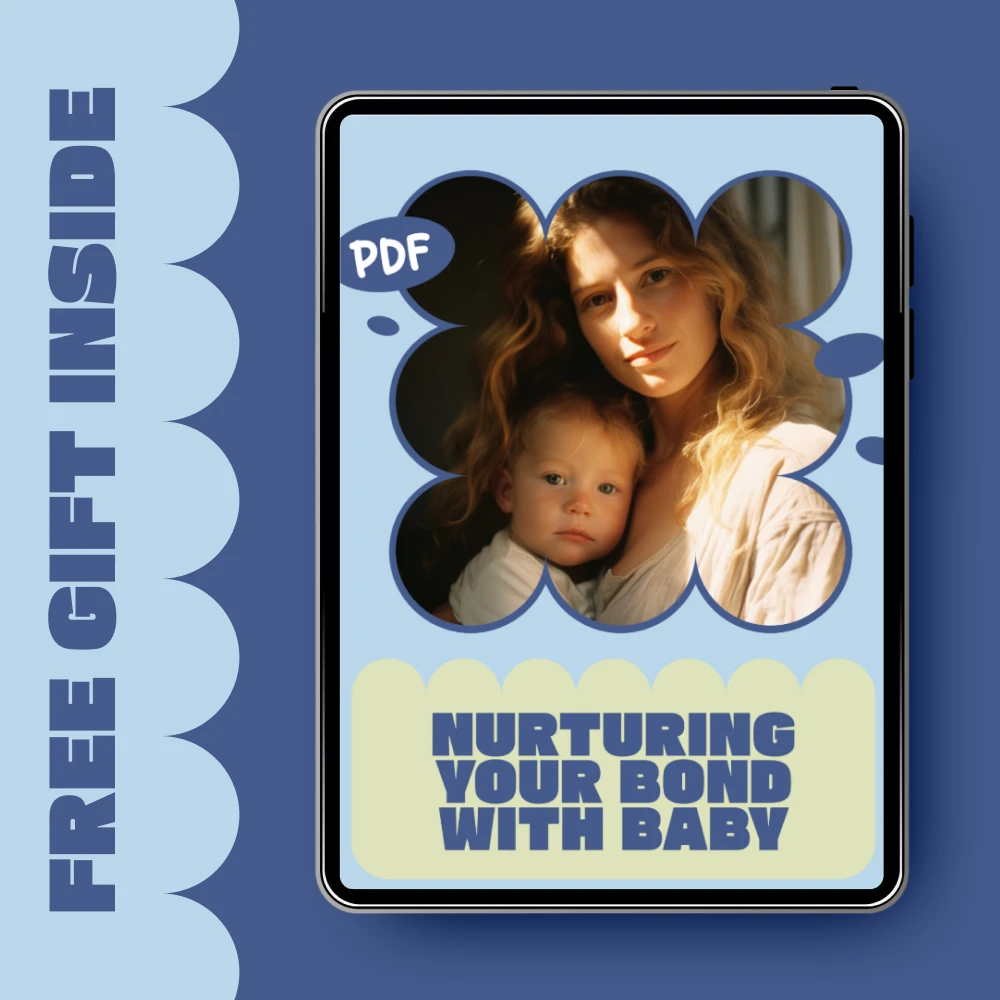
Nurturing Your Bond with Baby – Gentle Parenting Guide | How to Strengthen Parent Baby Connection | Digital Download
| Moment | Something to try | When to pause |
|---|---|---|
| Feeding | Speak or hum softly. | Let your baby focus if they seem settled. |
| Diaper change | Describe what you’re doing in a calm voice. | Slow down if your baby seems overwhelmed. |
| Play | Copy a sound or expression, then wait. | Stop when your baby looks away or tires. |
| Wind-down | Use a familiar song or soothing words. | Keep it brief if your baby needs rest. |
If your baby is upset, start with immediate needs such as hunger, a diaper change, or being too warm or cold. Try a calm voice or gentle hold, and change approaches if one isn’t helping.
If you feel overwhelmed, place your baby somewhere safe, such as their crib, and step away briefly to gather yourself. Ask a trusted person for support when you can. Contact a healthcare professional if you’re concerned about your baby’s crying or health.
Check the product’s listed specifications when evaluating comfort matters on difficult days.
If you want more ideas centered on the parent–baby connection, you can explore our Nurturing Your Bond with Baby digital guide. If you’d rather begin without a resource, pick one familiar moment today: hum during a feeding, pause during play, or repeat a soothing phrase at wind-down.
Check the product’s listed specifications when evaluating choose what helps you today.
Pick one small habit to try today. You might hum during a feeding, pause to see whether your baby wants more play, or use familiar words while settling them. There’s no need to do everything at once. Being present, noticing, and trying again are meaningful parts of nurturing your bond.
Compare related options such as Critical Reading Bundle for AI Content | How to Read and Evaluate AI-Generated Content to match features, dimensions, and use case before choosing.
Before choosing, compare the product details with your daily routine, available space, care needs, and preferred setup. The strongest option is usually the one that fits the intended use clearly and remains simple to clean, store, and check before repeat use.
It is also worth checking measurements, material notes, included parts, and compatibility details so the item matches the way it will be used after delivery.
In an adult relationship, you may notice that it feels difficult to share feelings, seek comfort, or have meaningful conversations. A parent–baby bond is different: your baby communicates needs through cues rather than words.
Nurturing generally means paying attention to another person’s needs and responding with care and respect. With a baby, that includes comfort, safe care, and sensitivity to their cues.
In an adult relationship, signs may include mutual trust, open conversation, and feeling comfortable seeking support from each other. Those signs differ from the cues you’d look for when connecting with a baby.










Leave a comment