15% off on product page · save $2.12
How to Teach Your Dog to Stay: A Beginner’s Guide
Choose a quiet room and have a few small treats ready. Ask your dog to sit or lie down—whichever position is familiar and comfortable. If neither cue is familiar yet, work on one of those foundations before introducing stay. Knowing where to remain makes the new task much clearer.
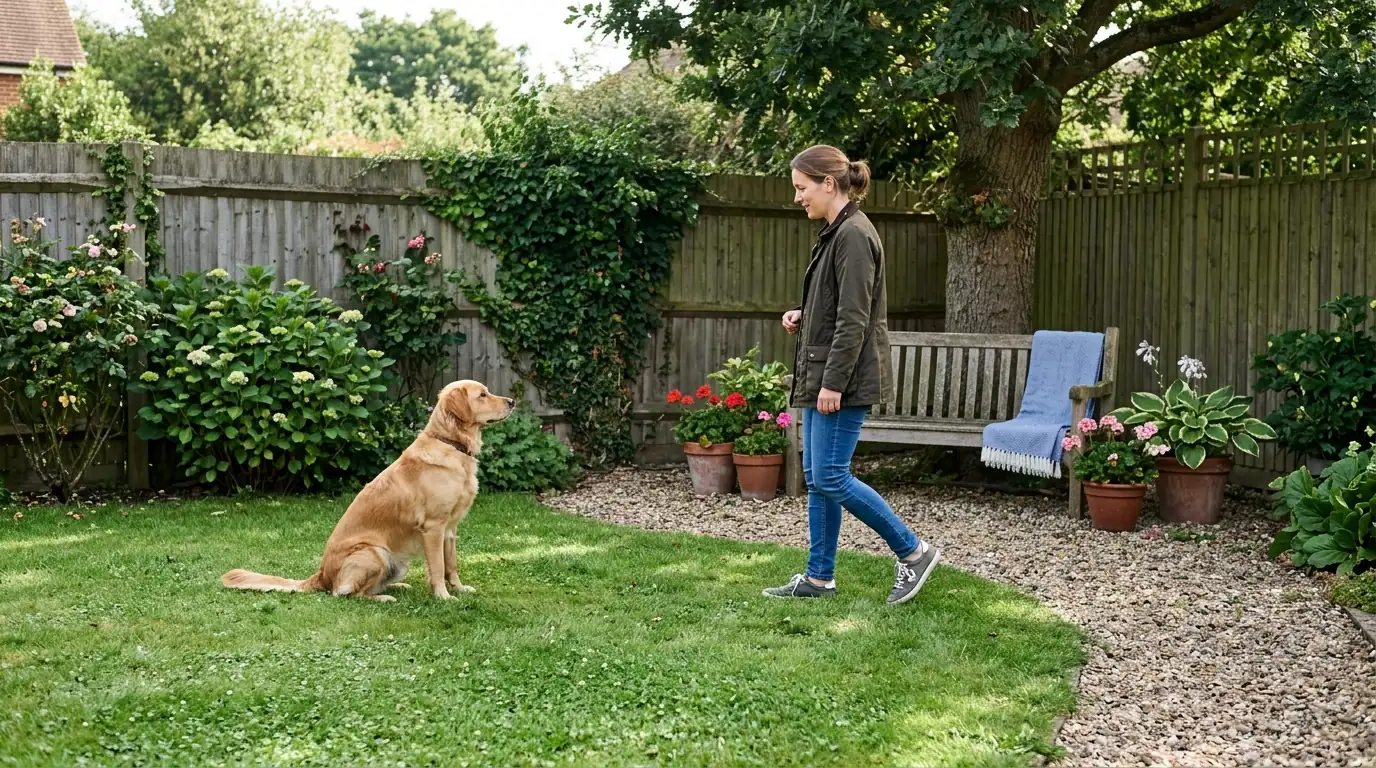
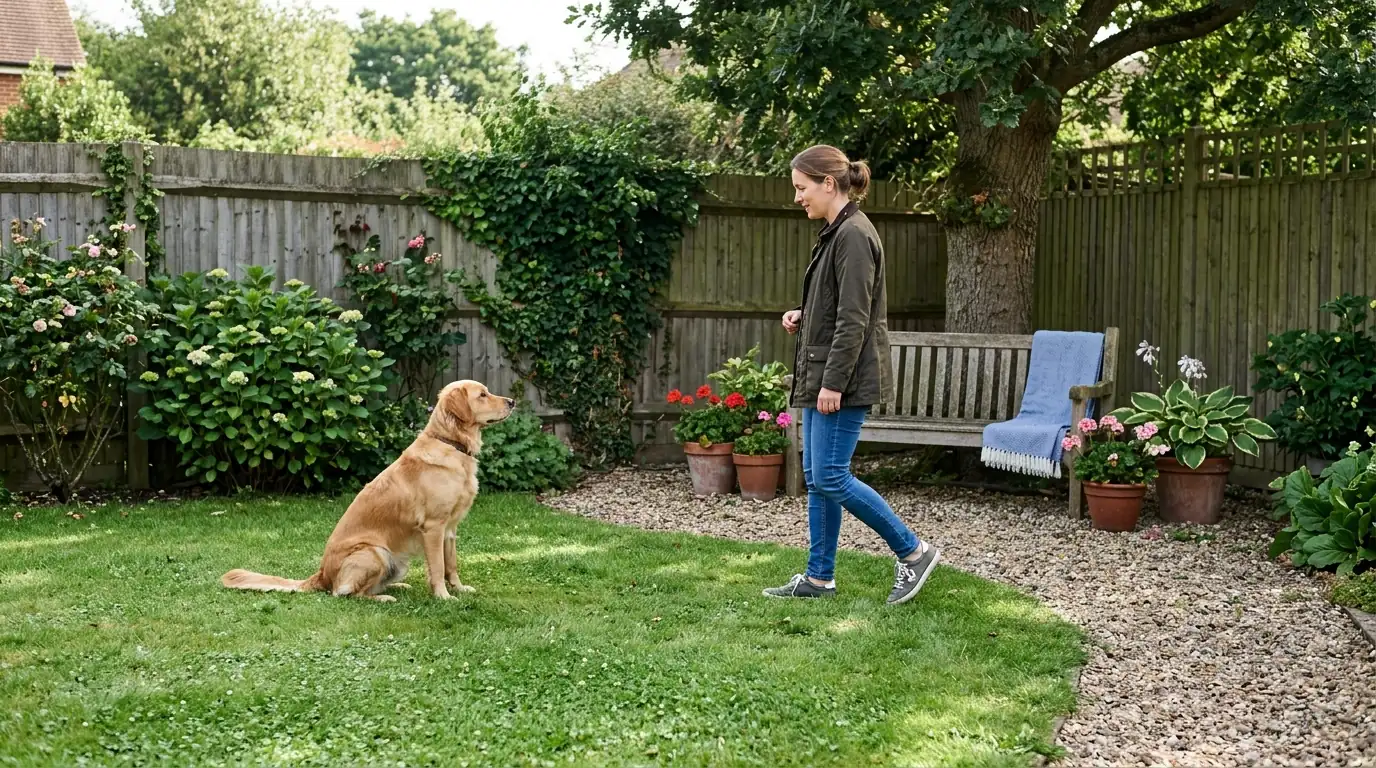
Once your dog is in position, say “stay” once and give a clear, consistent hand signal. Wait just one second, then reward your dog while they are still in place. Say a release word, such as “okay,” to let them know they can move. Treat the release as part of the lesson: your dog is learning both when to wait and when the wait is over.
Keep the first sessions brief. Several easy successes are more useful than pushing for a long stay after your dog has become restless. If a one-second pause is difficult, reward an even smaller moment of stillness and try again.
A simple stay-practice progression
| Stage | What to practice | When to move on |
|---|---|---|
| First pause | Ask for a one-second stay while standing beside your dog. | Your dog remains in place for several easy repetitions. |
| A little longer | Add a second or two before rewarding, without moving away. | Your dog waits comfortably for the release word. |
| One small step | Take one step away, return, reward, and release. | Your dog succeeds consistently without following you. |
| Everyday settings | Practice brief stays in different low-distraction rooms. | The cue is familiar before you add bigger distractions. |
Once the first pause feels easy, add a second or two without moving away. Later, take one small step away, return to your dog, reward, and release. Shorten the wait again whenever you increase distance or move to a new setting.
Return to deliver early rewards rather than calling your dog over for them. If your dog gets up before the release word, calmly reset and make the next attempt easier. You might stand closer, wait less time, or choose a quieter room. Our team would rather see several repeatable successes than one difficult stay.
Check the product’s listed specifications when evaluating raise one challenge at a time.
Featured in this guide
Teaching Your Dog the Stay Command | Dog Training Guide, Puppy Obedience Training, Digital Download, eBook for Beginners
Try a brief stay while you pick up a leash, place a bowl down, or step across a quiet room. Return and reward before your dog feels the need to follow. When you change rooms or move outdoors, begin with a shorter, easier stay again.
Keep a physical safety measure in place where it matters. Near traffic or an open doorway, use a leash, gate, or closed door rather than relying on a developing cue. A stay practiced indoors may not hold when an exciting distraction appears outside.
Reward your dog with something they value, whether that’s a treat, praise, or play. Watch how they respond: if they seem tired, distracted, or frustrated, take a break while the session can still end on a good note. The Humane Society’s positive reinforcement resource offers more on rewarding behaviors you want to encourage.
Progress will vary by dog and by setting. A puppy might wait beautifully in the living room, then need to return to a one-second stay in the yard. That doesn’t erase earlier learning; it means the surroundings have changed. Aim for successes you can repeat rather than one impressive attempt. As those easy repetitions add up, you can gradually ask for a longer wait, one more step of distance, or a slightly busier setting.
Check the product’s listed specifications when evaluating keep progress comfortable for your dog.
Compare related options such as High-Protein Diet for Dogs and Cats | Ebook Guide on High Protein Diet Benefits for Pets, Nutrition Planning & Healthy Feeding to match features, dimensions, and use case before choosing.
The 3-3-3 rule is a general adjustment guideline often used for a newly adopted dog: roughly three days to decompress, three weeks to learn a routine, and three months to feel more settled. It isn’t a training deadline, so let your dog’s comfort and progress guide your stay practice.
Dogs learn consistent associations rather than sharing one favorite word. Use a clear stay cue, the same release word each time, and warm praise paired with rewards your dog enjoys.








Leave a comment