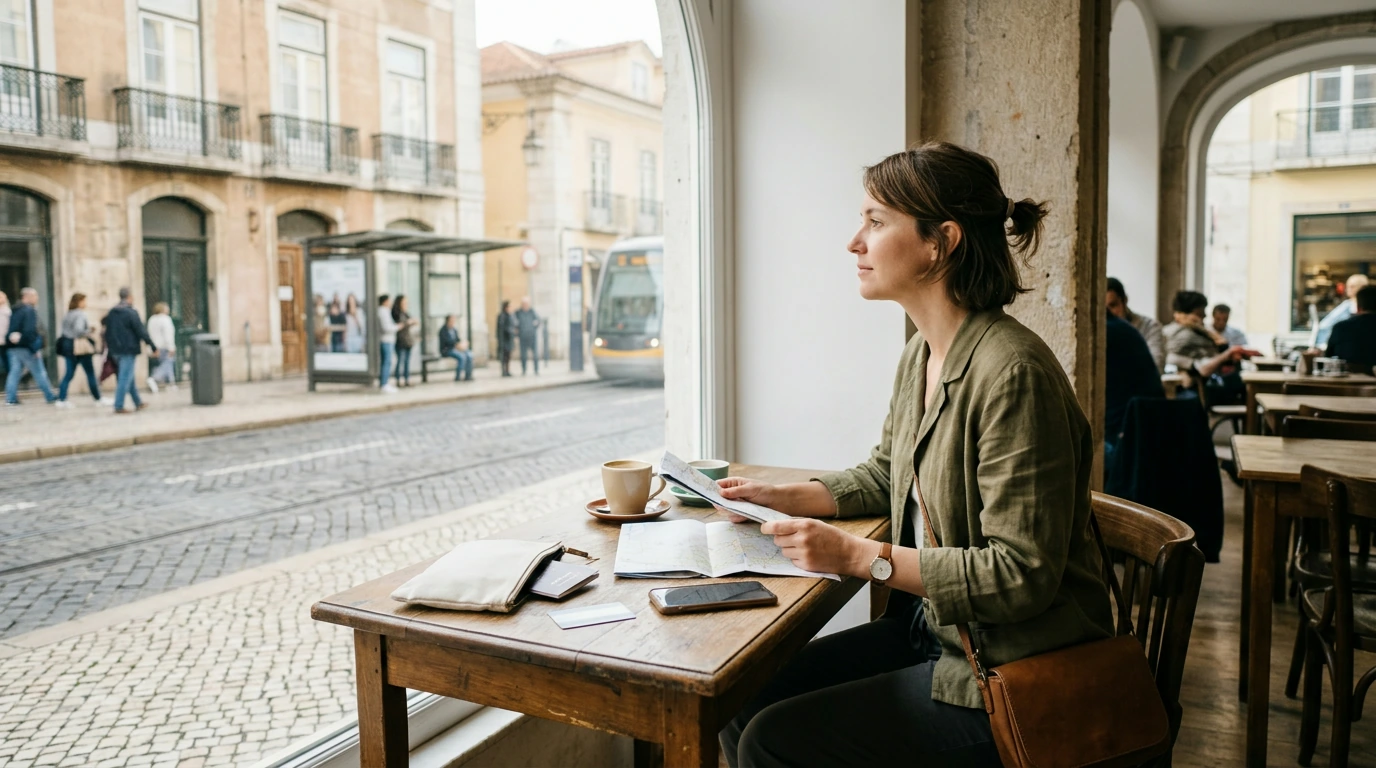
Feeling safe abroad is less about eliminating risk and more about building a repeatable system: prepare before departure, stay aware without panic, and know exactly what to do if something goes wrong. When the steps are predictable, confidence follows—especially in unfamiliar neighborhoods, new transit systems, and languages you don’t speak yet. Below is a practical, calm-first framework you can reuse in any country, whether you’re traveling solo, with friends, or for work.
Safety gets easier when you decide your boundaries before you’re tired, jet-lagged, or pressured. Start by defining what “safe enough” looks like for you: solo vs. group travel, how late you’ll stay out, how comfortable you are with ride-hailing, and what types of neighborhoods you’re willing to navigate.
Pick two non-negotiables to reduce decision fatigue. Examples: no unlicensed taxis, and no isolated walks after dark. These aren’t fear-based rules; they’re default settings that stop you from bargaining with yourself when the situation is unclear.
Next, create a “default safe day” routine. Think: daylight errands, planned routes, a backup transit option, and a hard stop time for returning. Add a simple check-in rhythm with a trusted contact—arrival, evening, and any major location changes. Short, consistent updates (“Back at hotel. Headed to dinner near X.”) are usually enough.
Most issues are avoidable with a bit of front-loaded setup. Research the destination for patterns: common scams, typical pickpocket zones (busy transit, markets), and areas that change character after dark. Cross-check official guidance when relevant, such as the U.S. Department of State travel resources and the UK foreign travel advice.
Save essential info offline: your accommodation address in the local language, local emergency numbers, embassy/consulate contacts, and a small map of the immediate area around where you’re staying. Plan airport-to-lodging transport in advance—know the approximate route and typical fare so you can spot “urgent” upsells.
Finally, prepare a “carry set” and “backup set.” Carry one primary payment method and keep one backup card stored separately. Keep copies of IDs secured (not loose in your photo roll), and choose lodging with practical safety signals like secure entry, a clear address, and reliable access to transport.
| Task | Why it matters | Done before departure |
|---|---|---|
| Share itinerary + lodging details with a trusted contact | Creates a safety net if plans change | Yes/No |
| Store emergency numbers and embassy details offline | Works when data is down or phone is lost | Yes/No |
| Set up phone security (PIN, biometrics, find-my-device) | Reduces damage from theft or loss | Yes/No |
| Prepare separated payment methods | Prevents being stranded if one wallet is stolen | Yes/No |
| Confirm transport from arrival point to lodging | Avoids high-risk decision-making when tired | Yes/No |
Awareness doesn’t have to mean constant vigilance. Use a simple “pause and scan” habit when exiting transit, entering markets, or turning onto a new street: note exits, crowd density, and lighting. This takes seconds and reduces the startled feeling of being caught off-guard.
Neutral body language matters more than most people think: walk with purpose, keep valuables out of sight, and minimize phone use while moving. When you do need your map, step into a shop or café, or stand near a wall instead of stopping in the center of a walkway. Small micro-routines like keeping one ear free when using audio also help you stay connected to your surroundings.
In each area you visit, identify “safe anchors” you can return to quickly—hotels, pharmacies, staffed cafés, and major transit hubs. If you’re staying multiple days, vary routes and times when you can, so you’re not easy to predict.
Movement choices shape most real-world safety outcomes. Choose transport with traceability: official taxis, reputable ride-hailing, or public transit with clear stops. Before entering a vehicle, verify the license plate and driver details. When riding alone (and when culturally appropriate), sitting in the back can provide an extra buffer.
Know the local emergency number and how to describe your location using landmarks, street names, and nearby businesses. Medical prep matters too; the World Health Organization travel health guidance can help you think through vaccines, medications, and common health risks by destination.
Use a repeatable routine: verified transport, daylight planning, and simple check-ins with a trusted contact. Pick safe anchors (staffed cafés, hotels, pharmacies) so you always have a quick reset point if you feel unsure.
Common mistakes include over-relying on your phone while walking, using unverified transport, and keeping all valuables in one place. Posting real-time location publicly and making rushed decisions when tired or lost also increases risk.
Get to a staffed, safe location first. Then lock/track your device and freeze key accounts and cards, and use the backup cash/card you stored separately to stay mobile while you handle reports and replacements.













Leave a comment